
Every day, we move through invisible systems that keep our world running smoothly. We fly across countries, rely on GPS to find our way, scroll social media powered by satellites, and increasingly see drones in the sky. Most of us enjoy these technologies without ever wondering: who makes sure all of this works safely and fairly?
The answer lies in air and space law—a field of law that quietly shapes modern life, even though we rarely notice it.
The Rules That Keep the Sky in Order
Imagine a sky with no rules.
Airplanes choosing their own routes, drones flying wherever they please, and countries disagreeing over who controls which part of the air. Chaos would not take long to follow. This is exactly why air law exists.
Air law sets the ground rules for everything that happens in the sky above us. It regulates commercial flights, private aircraft, helicopters, air traffic control, and drones. It answers practical questions such as who is allowed to fly, where aircraft may operate, and what happens when accidents occur.
Each country controls the airspace above its territory, but because airplanes constantly cross borders, cooperation is essential. International agreements help ensure that a flight from Jakarta to Tokyo or London follows consistent safety and operational standards. Thanks to air law, flying has become one of the safest ways to travel.
Beyond the Sky: Why Space Also Needs Rules
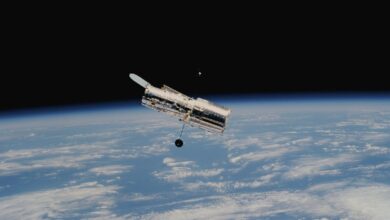
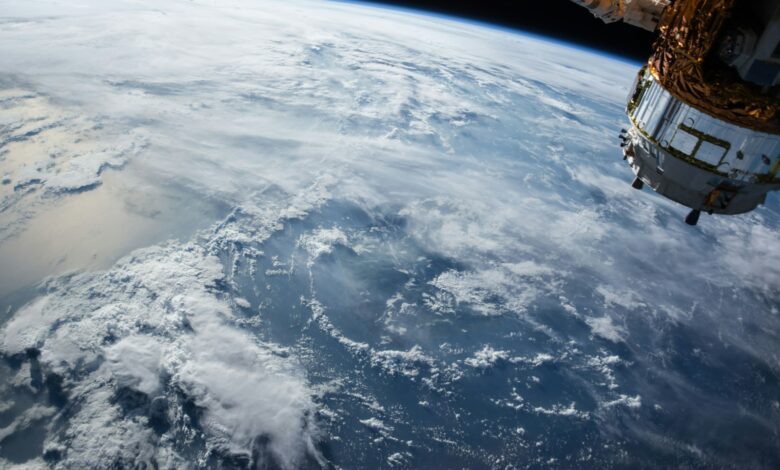
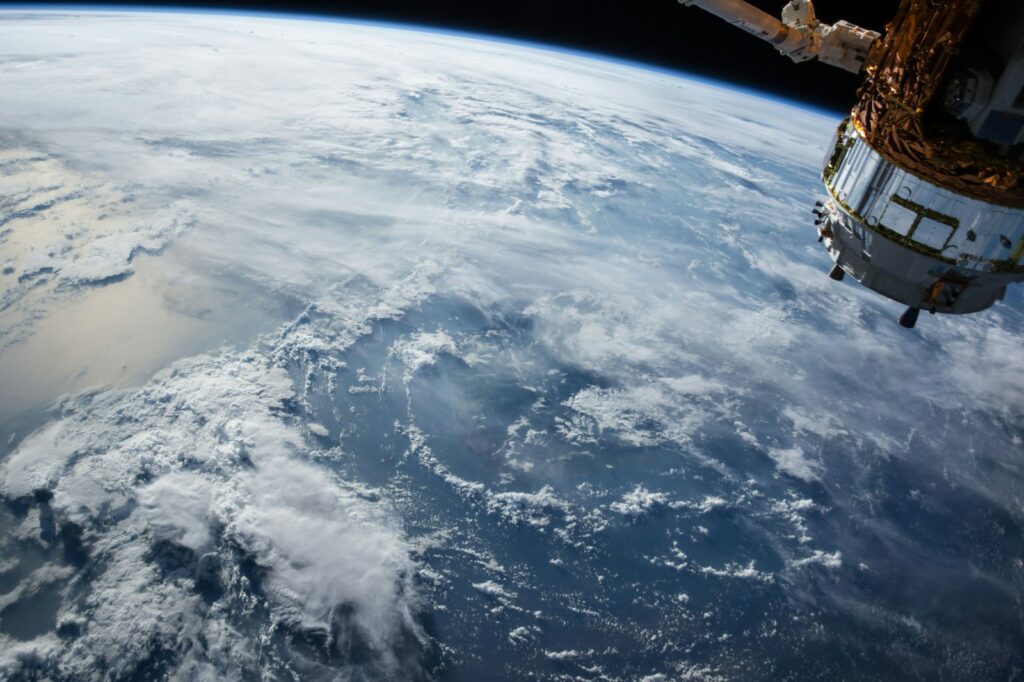
If air law governs the sky, space law governs everything beyond it.Satellites orbiting Earth provide internet connections, weather forecasts, television broadcasts, and navigation services we rely on every day. Space law ensures these activities are carried out responsibly and peacefully.

Unlike airspace, outer space does not belong to any one country. No nation can claim ownership over the Moon or an orbit around Earth. Space law exists to prevent conflict, encourage cooperation, and clarify responsibility when things go wrong.
As private companies launch rockets and plan missions beyond Earth, space law is becoming less theoretical and more practical. It addresses real-world questions: Who is responsible if a satellite malfunctions? What happens when space debris damages another object? How do countries regulate private actors in space?Why Air and Space Law Matter in Daily Life
At first, air and space law may seem far removed from everyday concerns. In reality, its impact is everywhere.
When you board an airplane, air law ensures that the aircraft has met safety standards and that pilots and air traffic controllers follow internationally agreed procedures. When you use a navigation app, space law helps protect the satellites that make precise location tracking possible. When drones are used for photography, delivery, or inspection, air law helps balance innovation with safety and privacy.
These laws work silently in the background. You may never see them, but without them, modern technology would be unreliable, unsafe, and unpredictable.
Keeping Innovation Safe and Sustainable
Technology moves fast. Laws do not always move at the same pace.
New developments—such as drone delivery services, space tourism, and satellite-based internet—push existing rules to their limits. Air and space law must constantly evolve to keep innovation safe, ethical, and sustainable.
This is not about stopping progress. Instead, it is about guiding it. Well-designed laws allow new technologies to grow while protecting public safety, national interests, and the shared environment of air and space.
Why Understanding These Laws Matters
You do not need to be a lawyer, pilot, or astronaut to care about air and space law. These rules shape how we travel, communicate, and connect with the world.
As skies become more crowded and space more accessible, the importance of clear, fair, and forward-looking regulations will only increase. Public understanding plays a key role in ensuring that these laws serve not just governments and corporations, but society as a whole.
Air and space law may be invisible, but its influence is everywhere. It keeps flights safe, protects satellite services, and helps prevent conflict in shared spaces above our planet.
By understanding the basics of air and space law, we gain a better appreciation of the systems that support modern life—and the responsibility we share in protecting them for the future.