
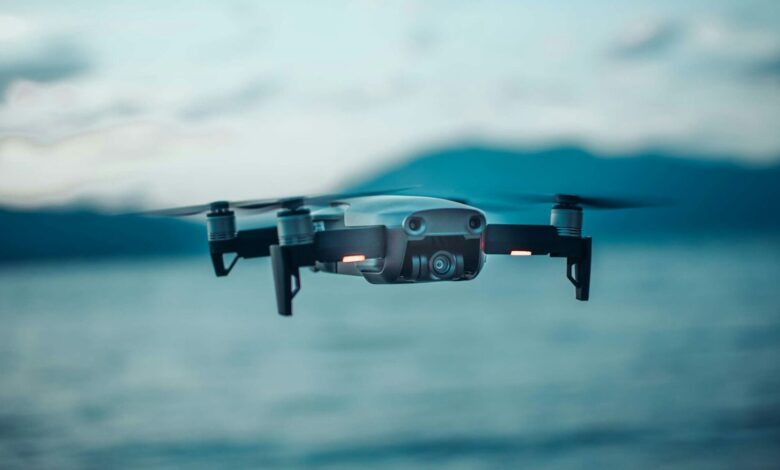
Drones are everywhere now. People use them for photography, mapping, farming, inspections, deliveries, and sometimes for activities that are less… responsible. Because drones are relatively affordable and easy to operate, many first-time users assume they work like cameras: buy one, turn it on, and fly.
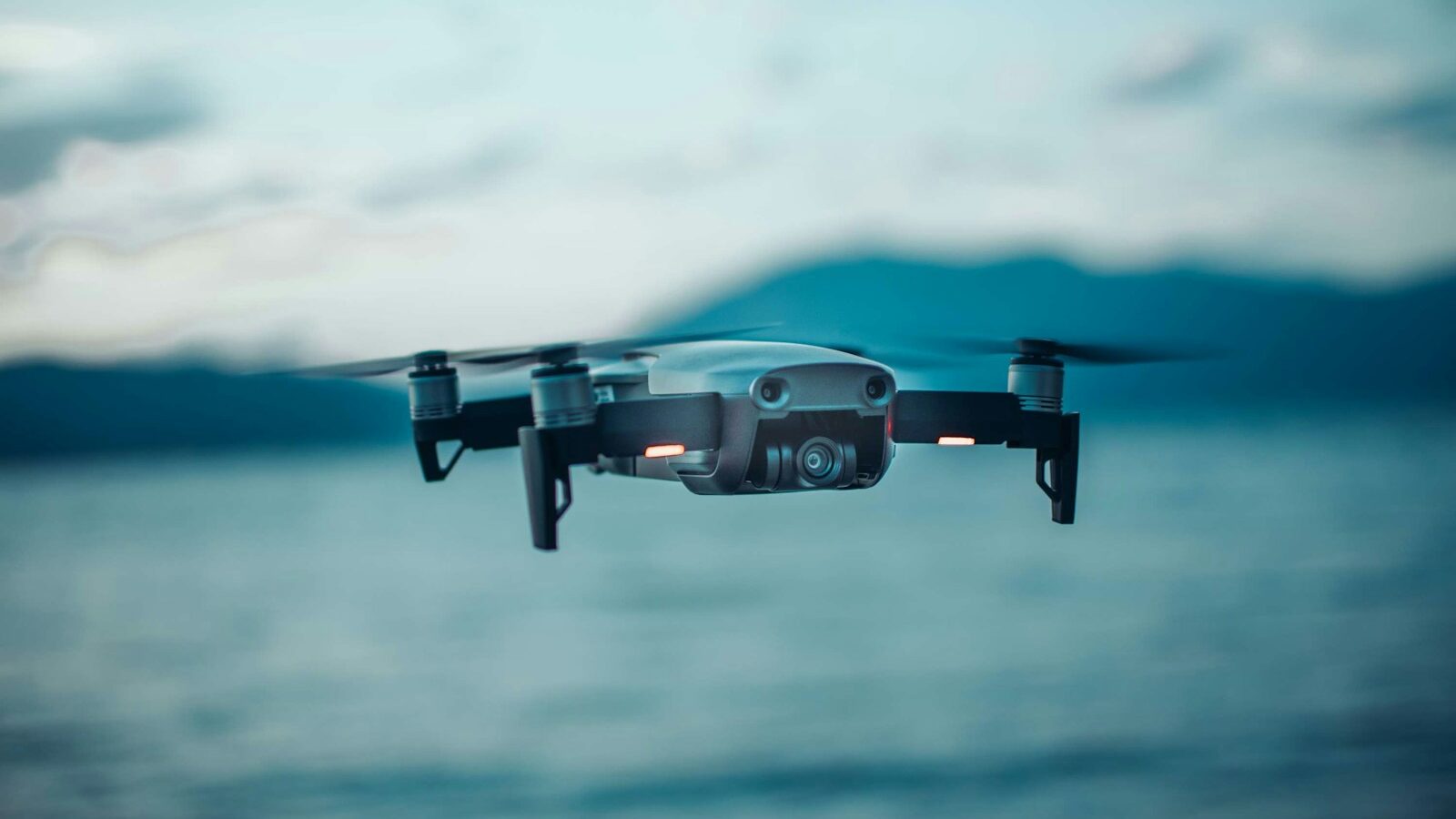
Legally, it is not that simple.
In most countries, you can fly a drone, but not anywhere, not for every purpose, and not without responsibilities. Drone rules exist for one main reason: a drone is an aircraft, and aircraft can harm people, property, and other aircraft if used carelessly. The goal of regulation is not to kill innovation. It is to keep the airspace safe and predictable.
The Big Idea: Permission Depends on Risk
Most drone regulations follow a common logic: the higher the risk, the stricter the rules. A small drone flown slowly in an open field is a different risk from a heavy drone flown over a crowded city or near an airport. Because of this, many aviation authorities organize drone operations into categories based on weight, purpose, altitude, location, and proximity to people.
So when someone asks, “Can anyone fly a drone?” the honest answer is: anyone can try, but not everyone can do it legally in every situation.
“Recreational” vs “Commercial” Is Not Just a Label
A key legal distinction is whether you are flying for fun or for a business-related purpose. In many jurisdictions, commercial use triggers stricter requirements. The reasoning is straightforward: commercial operations tend to happen more often, in more complex environments, and with higher expectations of accountability.
But even this distinction can get confusing. Posting drone footage on a monetized social media account, filming for a paid event, or using a drone to support a business can fall into commercial territory depending on national rules. The safest approach is to assume that if money, promotion, or business value is involved, regulators will treat it more seriously.
Common Rules You’ll See Almost Everywhere
Drone laws vary by country, but the “shape” of the rules is surprisingly similar worldwide because aviation safety has shared principles. While specific numbers and requirements differ, most regulators focus on the same core issues:
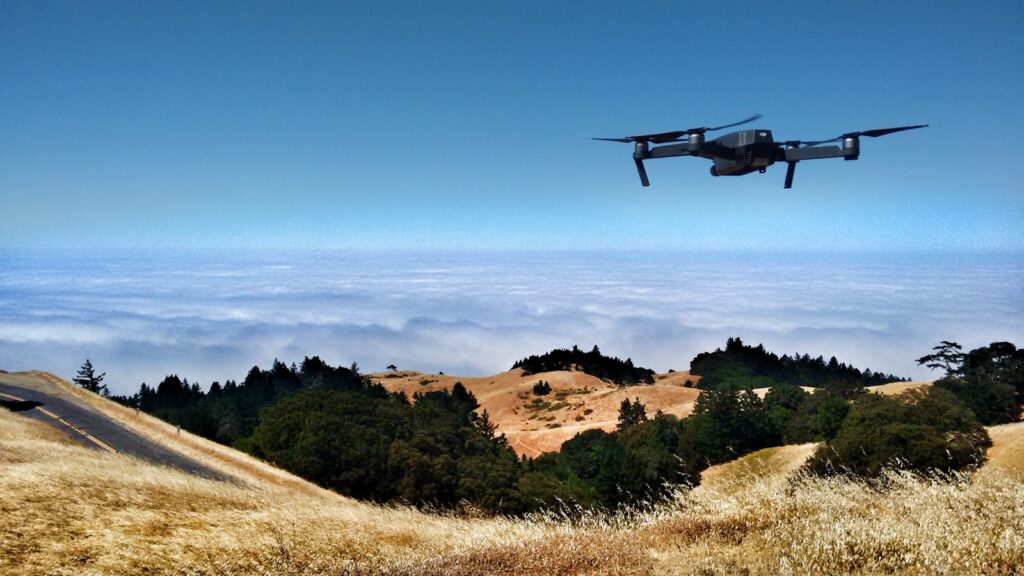
Where you fly matters as much as how you fly. Areas near airports and heliports are usually highly restricted because drones can create serious collision risks. Flying above crowds, near critical infrastructure, or around government facilities may be restricted or prohibited for safety and security reasons.
How high you fly is often capped. Regulators want drones to stay below the airspace used by many manned aircraft. Limits also help air traffic management and reduce mid-air risk.
Whether you can see the drone matters. Many rules require the operator to keep the drone within visual line of sight. This is not because regulators hate fun. It is because drones are harder to control safely when the operator cannot reliably observe hazards in real time.
Respecting people’s privacy is increasingly central. Even when aviation rules allow a flight, privacy laws and local rules can still apply. A flight can be “airspace-legal” but still unlawful if it violates privacy or data protection rules.
Registration, Licensing, and Training: Why Some People Need It
Depending on the drone’s weight and the type of operation, authorities may require:
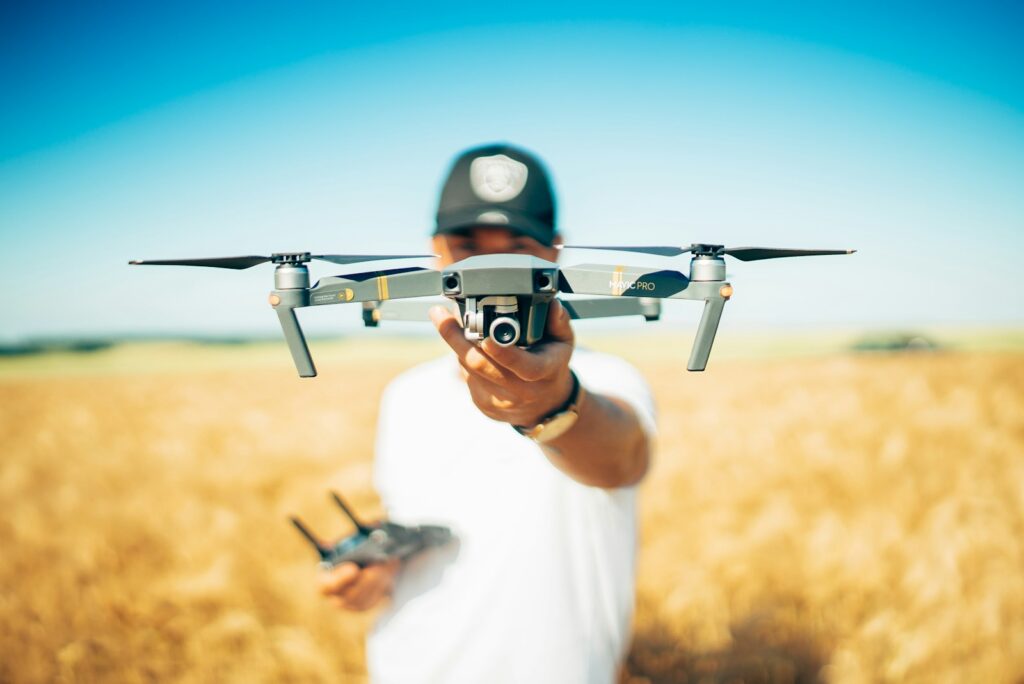
- Registration of the drone (so it can be traced to an owner)
- Operator licensing or certification (especially for higher-risk use)
- Basic training or knowledge tests (to ensure operators understand safety rules)
This is the part many people dislike. But it mirrors the logic used in other high-risk areas: if you operate something that can cause harm, regulators want minimum competence and traceability.
Liability: “It Was an Accident” Doesn’t End the Story
A major misunderstanding is the belief that accidents are only technical problems. In reality, accidents can create legal responsibility. If a drone damages property, injures someone, or disrupts airport operations, there may be civil liability, administrative penalties, or even criminal consequences depending on the severity and intent.
This is why insurance is increasingly relevant, especially for commercial operators. Insurance is not just a business cost. It is part of responsible risk management.
A Simple Checklist Before You Fly
Before flying, a responsible operator should be able to answer these questions clearly:
Are you near an airport or restricted airspace?
Are you flying above people or private property?
Do you have permission if required by law or local rules?
Are you keeping the drone within visual line of sight?
Is your drone registered and are you certified if the rules require it?
Do you understand what happens legally if something goes wrong?
If you cannot answer these, the problem is not that the rules are “too complicated.” The problem is that you are about to fly blind in a regulated domain.
Why These Rules Matter
Drone regulation is not about stopping technology. It is about balancing opportunities with safety, privacy, and security. Drones can bring real benefits, from disaster response to infrastructure inspection and agriculture. But public acceptance is fragile. A few irresponsible flights can lead to stricter rules for everyone.