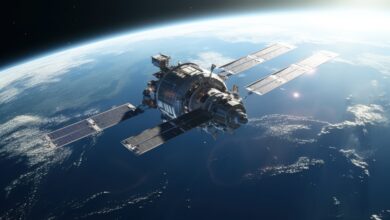

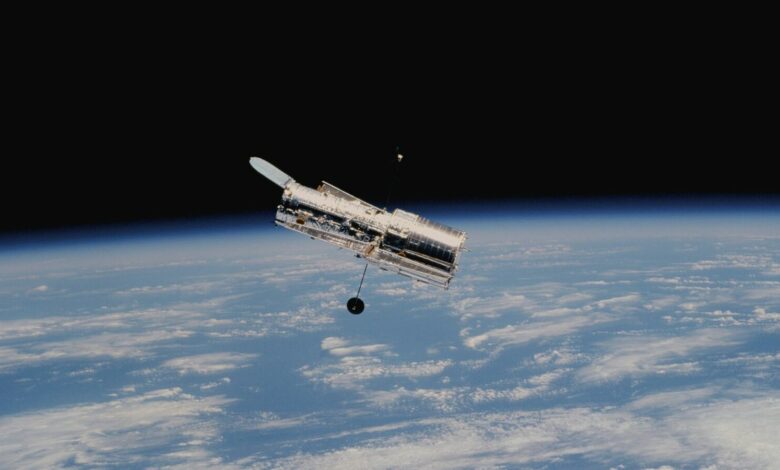
Satellites are so normal now that we forget they are there. They help us navigate, forecast weather, stream content, monitor disasters, track ships, measure climate change, and keep financial systems synchronized down to the millisecond. Yet the moment you pause and look up, an uncomfortable question appears:
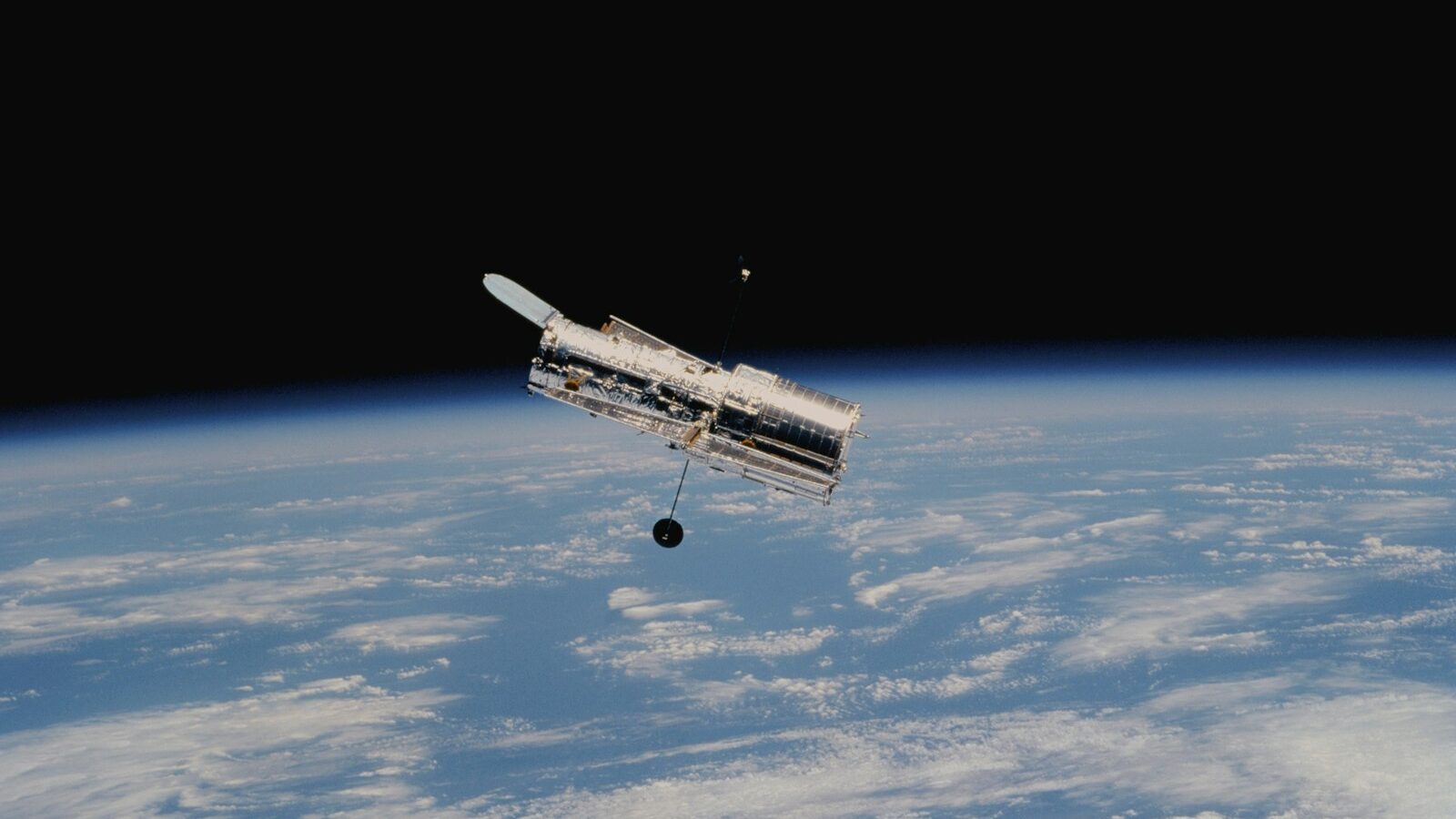
Who owns space?
It is a very human question, of course. Humans see a useful place and immediately wonder how to put a fence around it. Space law exists largely to stop that instinct from turning orbit into a geopolitical food fight.
Space Is Not “Owned” Like Land
Under the core principles of international space law, no country can claim sovereignty over outer space, the Moon, or other celestial bodies the way it claims territory on Earth. This idea is often summarized as “non-appropriation.” In plain terms: you do not get to plant a flag and call it yours.
That does not mean space is lawless. It means space is treated as a domain that should remain accessible, in principle, to all states. Think of it less like private property and more like a shared environment where use is allowed, but ownership is tightly limited.
So Who Owns the Satellites?
Here is the twist: while space itself is not supposed to be owned as territory, space objects are owned.
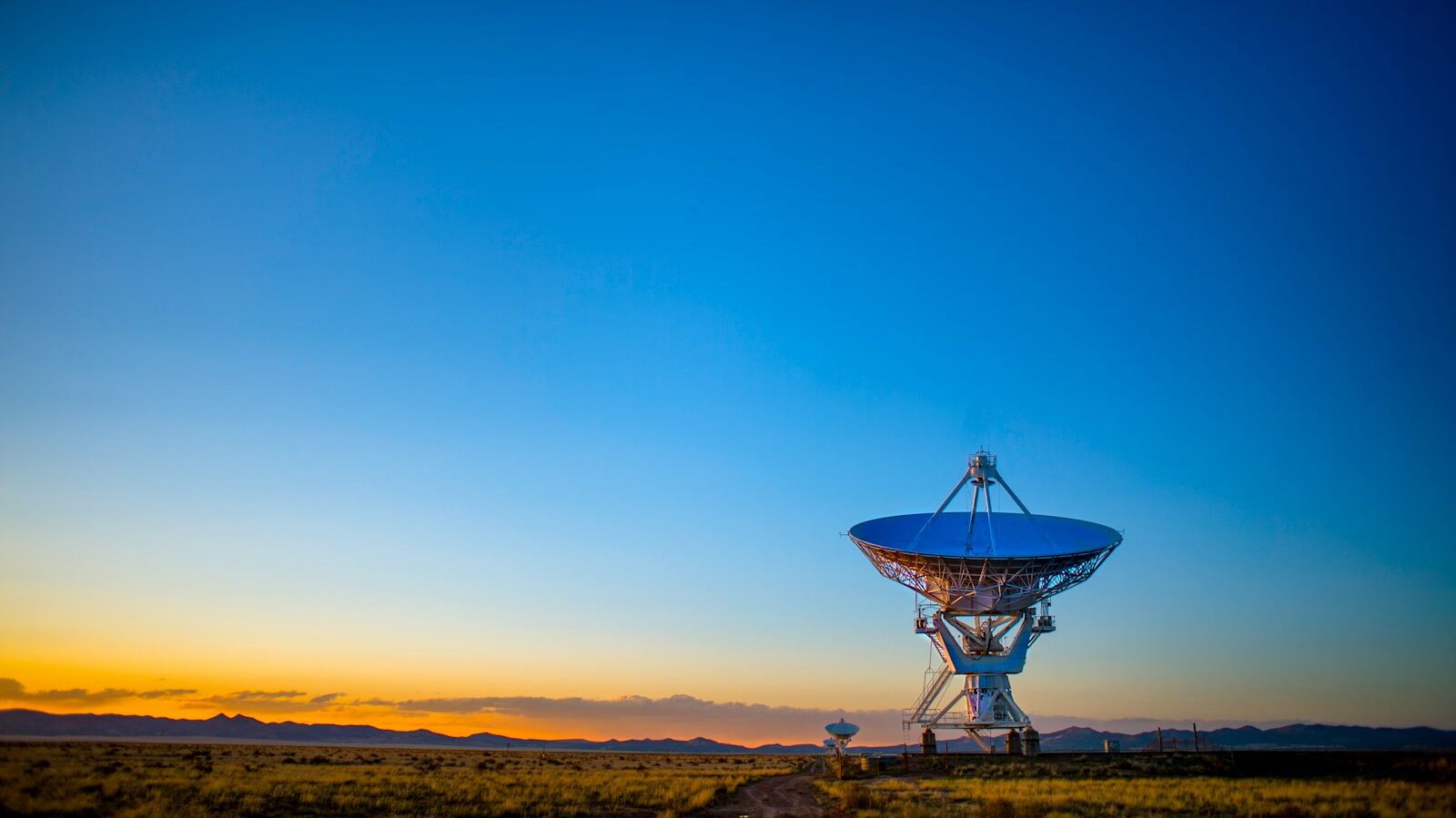
Satellites are property. Companies and governments invest billions into designing, launching, operating, and insuring them. It would be absurd to say nobody owns the satellite just because it is in orbit. In practice, ownership and control of a satellite are handled through national laws, contracts, and licensing, while international rules set the baseline responsibilities for how those satellites are launched and operated.
So the better framing is:
- Space (as a place): not owned as territory
- Satellites (as objects): owned by states or private actors
- Responsibility (internationally): still falls on states
The “State Responsibility” Rule (The Part People Miss)
Even if a private company builds and operates a satellite, international law generally treats the state as responsible for “national activities” in outer space. That is why licensing and supervision matter. States are expected to authorize and continually supervise space activities under their jurisdiction.
This is one reason space law is inseparable from national regulation. Commercial space may be private in business model, but it is not private in accountability.
“If Nobody Owns Space, Why Can’t I Put Anything Anywhere?”
Because orbit is not infinite in the ways that matter.
The most valuable orbital regions, especially for communications and Earth observation, are crowded. Satellites need coordination to avoid collisions and harmful radio interference. In practice, access to space services depends on:
- Launch permissions and licensing (national regulation)
- Coordination of radio frequencies and orbital positions (international coordination mechanisms)
- Operational norms (to reduce collision risk and debris creation)
So while nobody “owns” orbit, not everyone has equal practical access. Technology, capital, regulation, and coordination shape who gets to operate where and how.
The Real Scarcity: Safety and Sustainability
The modern question is not “Who owns space?” as much as it is:
Who is responsible for keeping space usable?
Satellites do not just share space with each other. They share it with thousands of debris objects, including fragments moving fast enough to destroy a functioning spacecraft. As more satellites are launched, the risk of collision rises, and collisions create more debris, which increases risk further. This is a governance problem, not just an engineering problem.
Sustainability in orbit is becoming the real measure of responsible space use: disposal plans, collision avoidance, transparency, and debris mitigation are no longer “nice-to-have.” They are the difference between a stable orbital environment and an expensive, dangerous mess.
What About the Moon and Asteroids?
This is where the conversation gets politically spicy.

International law resists the idea that celestial bodies can be claimed as sovereign territory. But resource activity (mining, extracting materials, using lunar resources) raises harder questions: if you cannot own the Moon, can you own what you extract from it? Different legal interpretations and national approaches exist, and the debate is ongoing.
What is clear is that space is moving from exploration to utilization, and law is racing to keep up. When money shows up, ambiguity becomes a problem very quickly.
Why This Matters “Down Here”
This is not just a philosophical question for diplomats and space agencies. Ownership and governance rules shape:
- Connectivity and services (communications, navigation, remote sensing)
- National security and sovereignty concerns (strategic reliance on satellites)
- Economic opportunities (who can build, launch, and operate systems)
- Public safety and disaster response (Earth observation and early warning)
- Long-term access (whether space remains safe and sustainable)
If governance fails, satellite services become less reliable, more expensive, and more politically contested. And since modern society depends on satellite-enabled infrastructure, that failure would not stay “up there.”